Radio Music 2
Tom Whitwell
November 15-20, 2026
Field recording from the ether


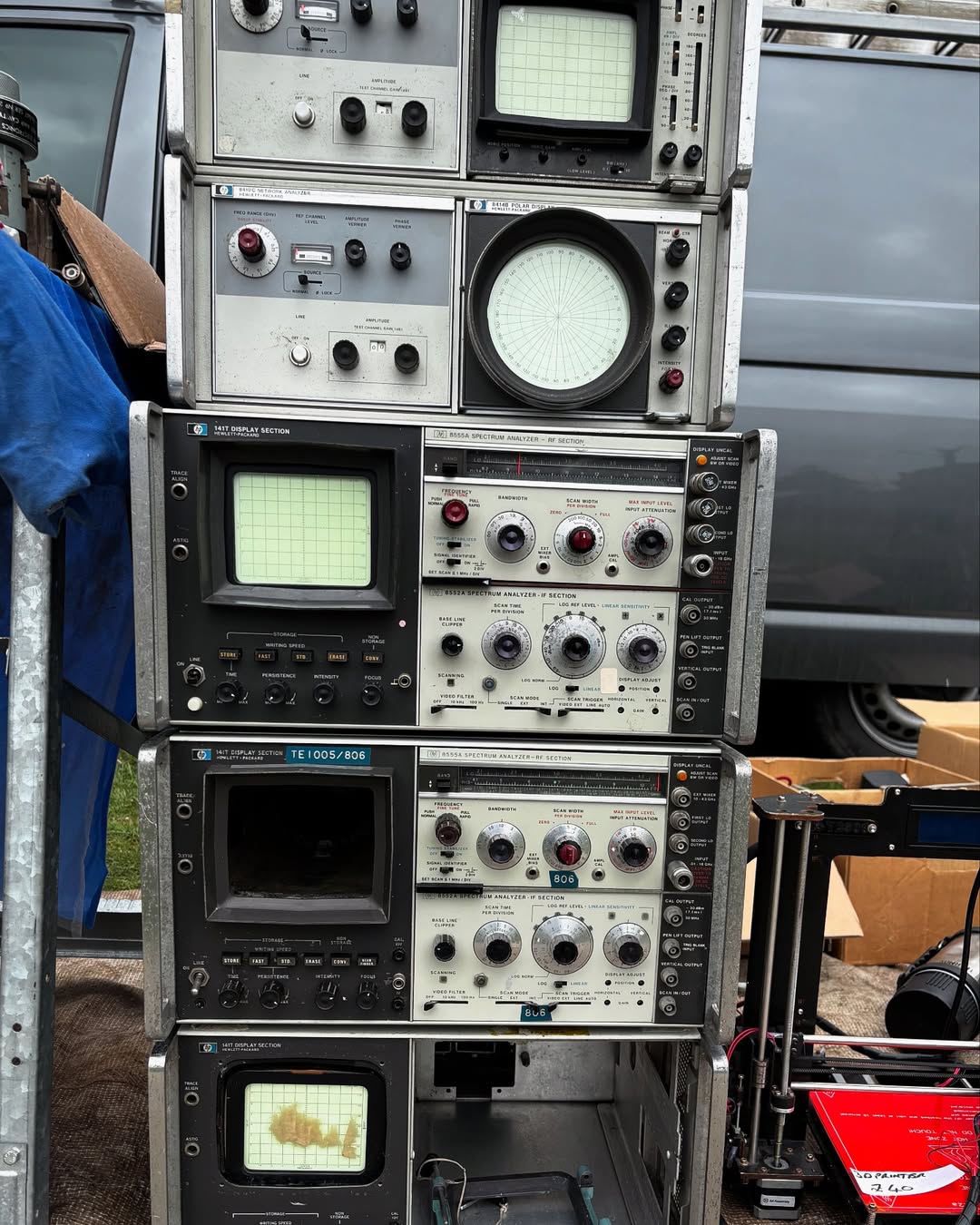
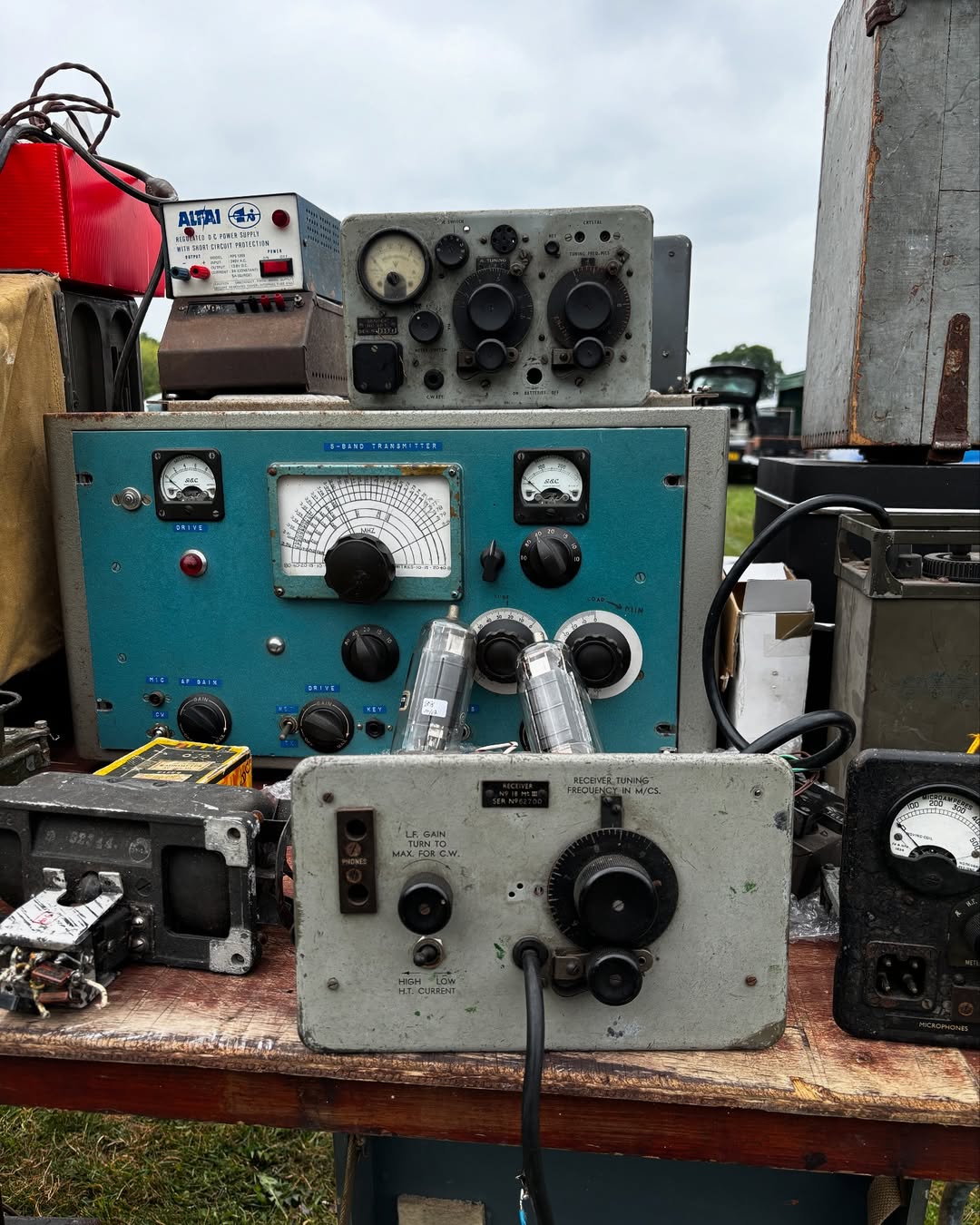

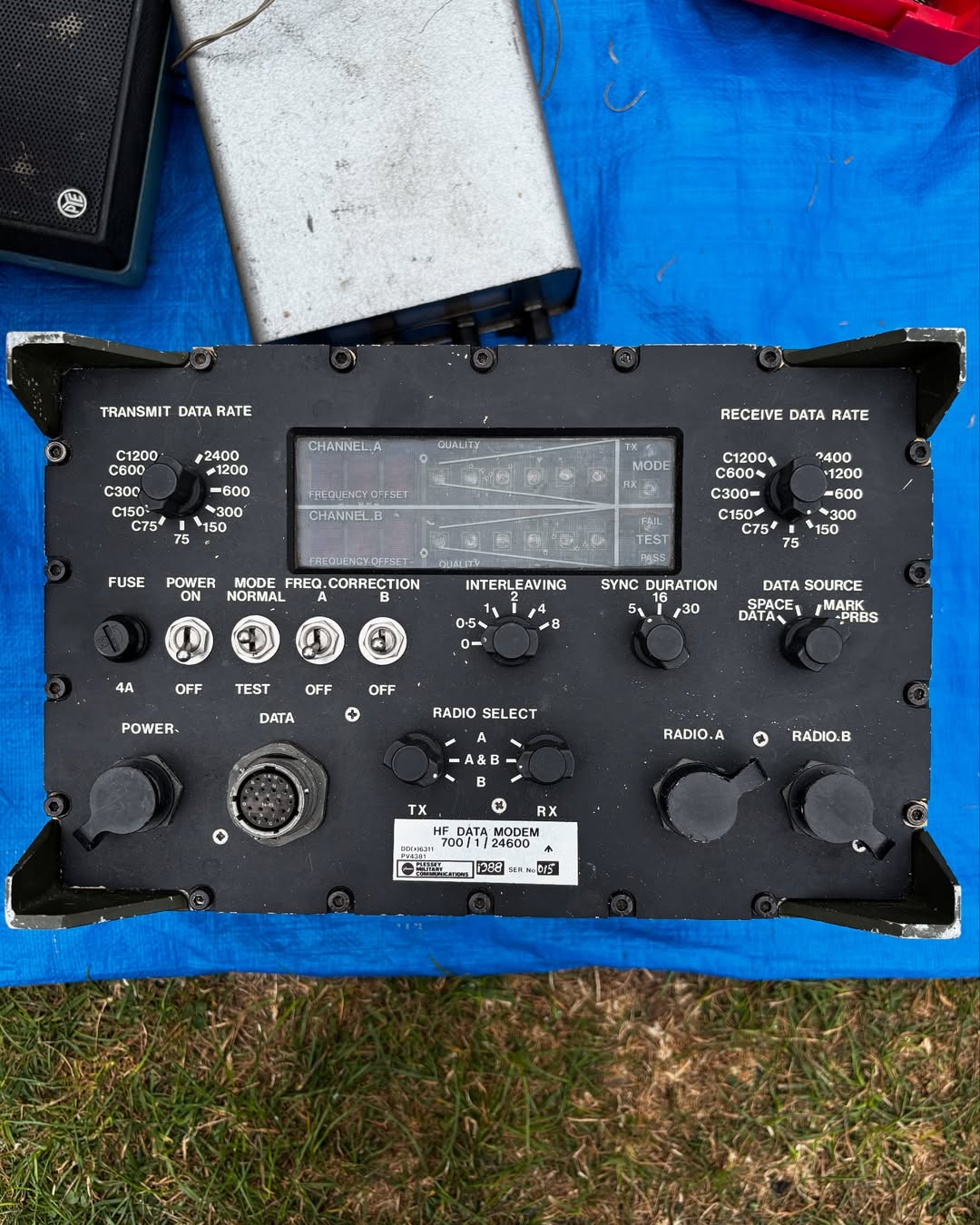
Arrival: Sunday 15th November, 4pm
Departure: Friday 20th November by, 11am.
The Highlights
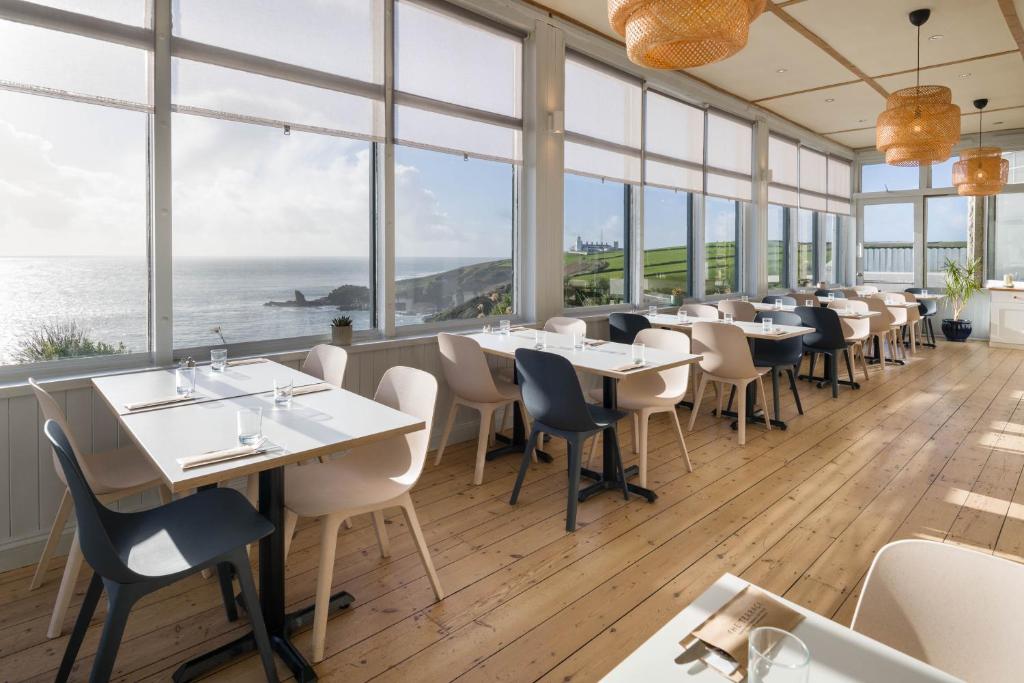
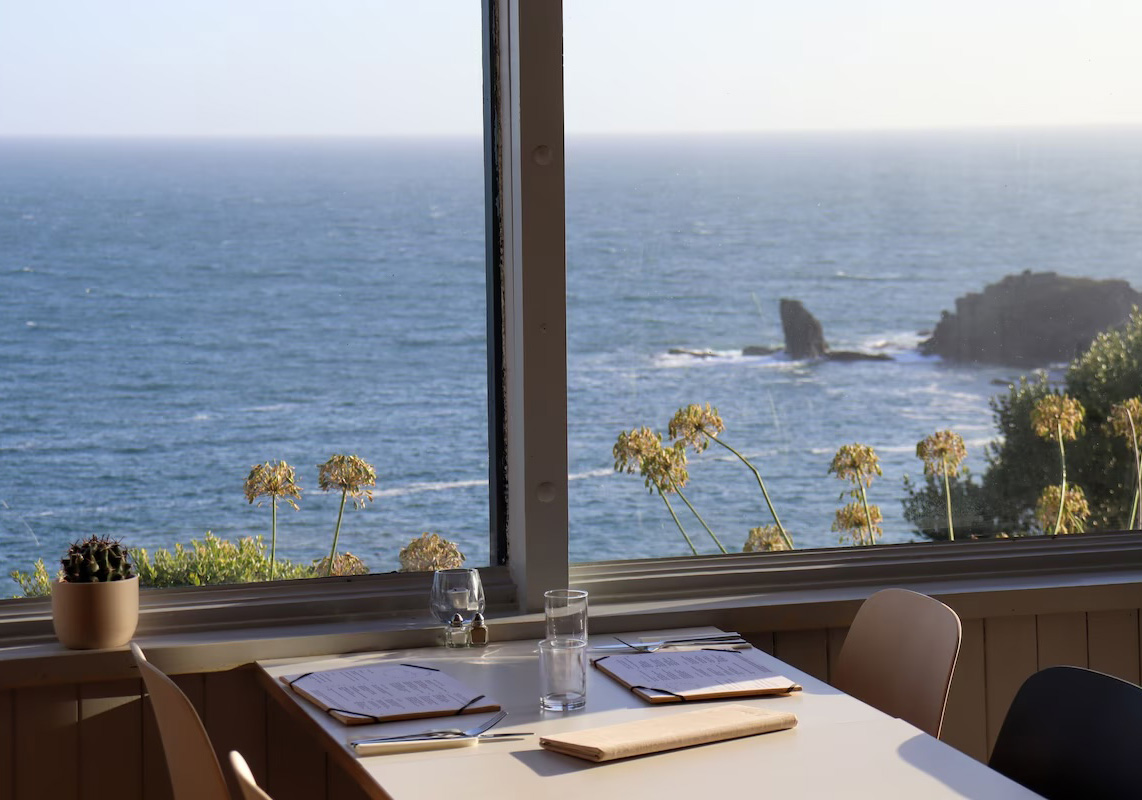
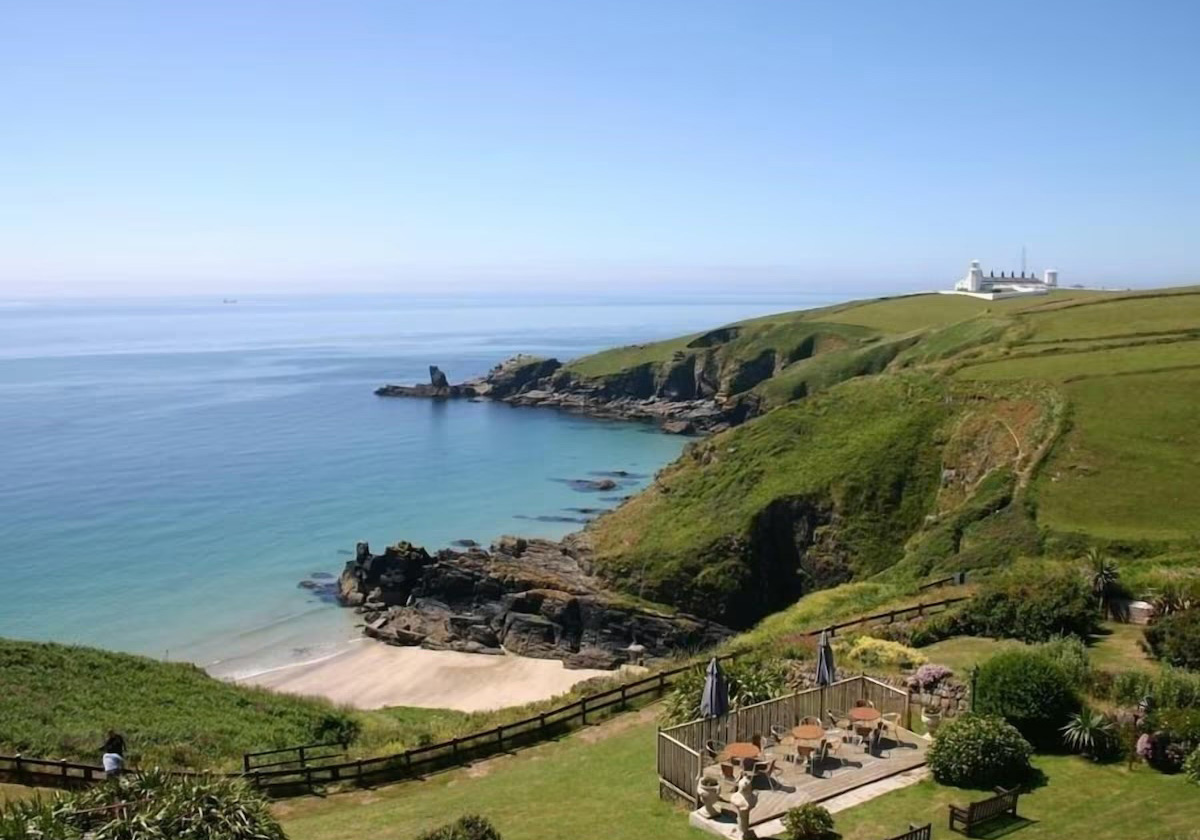
- Five days working with Tom Whitwell at one of the most beautifully situated hotels in Cornwall, perched above the sea on the Lizard Peninsula.
- All meals included, with a locally sourced dinner each evening in the hotel restaurant. The food is excellent.
- Optional outings to walk and explore the Cornish coastline and discover the area's rich communications history.
The Basics
- Five nights accommodation at Housel Bay Hotel, Cornwall.
- Four full days of workshops, listening sessions, discussions and activities.
- All dietary requirements catered for.
Submit your booking request and we'll hold your place for three days while we send you a secure payment link. Your place is confirmed on receipt of payment. You can pay in full or spread the cost across three equal instalments
The cost of this residency is:
Shared twin room:£1250
Standard cosy room: £1350
Private King, Ocean View: £1500
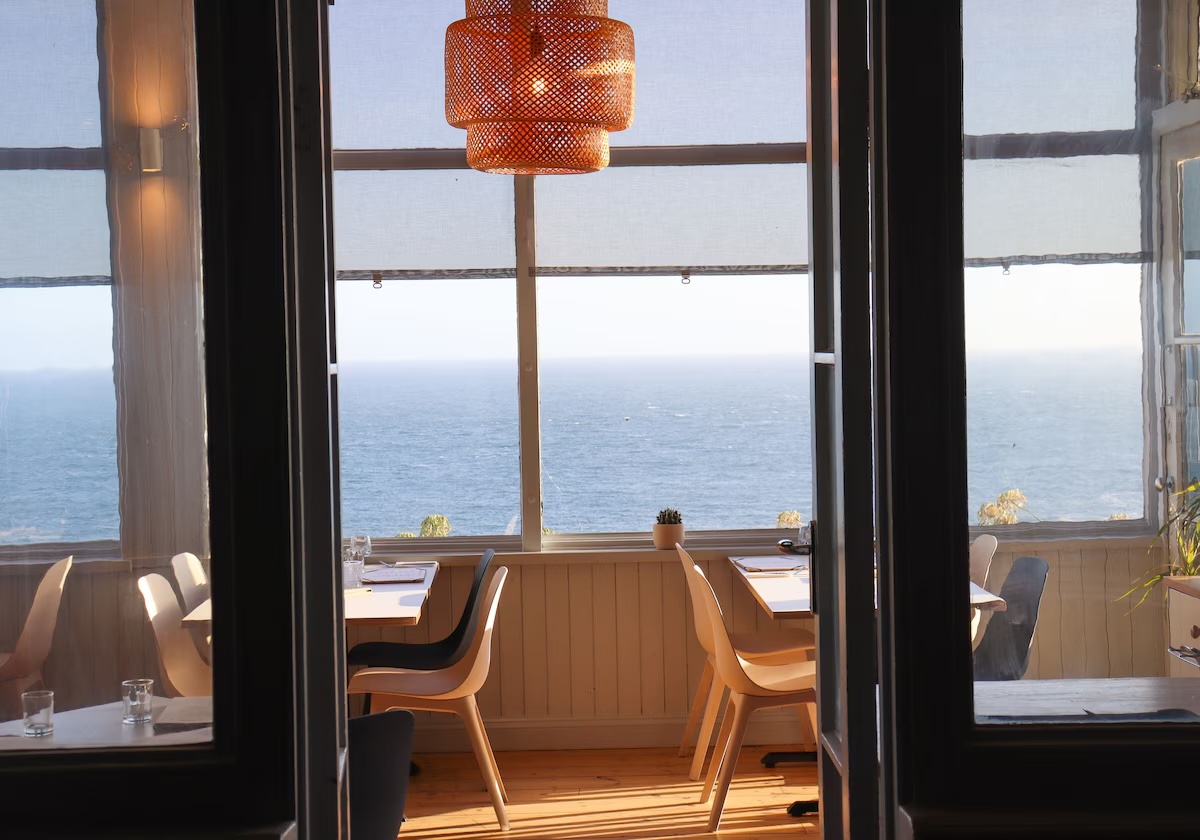
Private King, Panoramic Sea View: £1700 (The most spacious rooms, with uninterrupted panoramic sea views and a window seating area).
Radio is a kind of invisible weather, a drifting archive of voices, music, static and signal that passes constantly through us. It is global, nostalgic, unpredictable and alive.
In this residency, we'll be working at Housel Bay on the Lizard Peninsula, a place deeply connected to the earliest days of broadcast history. This is where radio began, where Marconi's first transmissions crossed the sea and changed the way sound could travel. A century later, we will tune in to the same air and use it to create music.
Radio Music is a hands-on residency for musicians and soundmakers of all kinds. Whether you are writing songs, working with synthesisers, collecting field recordings or making abstract sound pieces, this is an opportunity to explore radio as both a source of sound and a creative method, a way of listening, composing and collaborating that invites surprise and unpredictability.
You will listen to live broadcasts and archival recordings, picking up fragments of music, speech, noise and silence, then use those discoveries to shape new pieces, individually and in collaboration with others. Some of these will be simple sketches. Others may grow into layered compositions or collective performances.
Over the course of the residency, you will use:
You will explore methods such as:
Throughout, the goal is to connect with sound in a different way, to use limitation and chance as creative allies. Throughout, the goal is to connect with sound in a different way, to use limitation and chance as creative allies. This workshop is about building confidence by working with whatever is available. The static, the signal dropouts, the unexpected phrase, all of it becomes material for your own musical language.
Your work might lean into ambient sound, storytelling, songwriting or experiment. Some pieces will be made alone, others together, responding to shared broadcasts or building multi-layered compositions as a group. Made in a place where radio once began, and where it still fills the air.
In this residency, we'll be working at Housel Bay on the Lizard Peninsula, a place deeply connected to the earliest days of broadcast history. This is where radio began, where Marconi's first transmissions crossed the sea and changed the way sound could travel. A century later, we will tune in to the same air and use it to create music.
Radio Music is a hands-on residency for musicians and soundmakers of all kinds. Whether you are writing songs, working with synthesisers, collecting field recordings or making abstract sound pieces, this is an opportunity to explore radio as both a source of sound and a creative method, a way of listening, composing and collaborating that invites surprise and unpredictability.
You will listen to live broadcasts and archival recordings, picking up fragments of music, speech, noise and silence, then use those discoveries to shape new pieces, individually and in collaboration with others. Some of these will be simple sketches. Others may grow into layered compositions or collective performances.
Over the course of the residency, you will use:
-
Shortwave, AM and FM radios, including portable and modified sets
- Low-power transmitters, broadcasting across a single room
- Lunchbox modular synthesisers and lo-fi playback tools
- Recordings of broadcasts, international stations and found tapes
- Online WebSDR streams and signals from radio telescopes, capturing transmissions far beyond the local airwaves
You will explore methods such as:
- Sampling and looping fragments from the dial
- Improvising with spirit radio and found textures
- Layering voices and static into new works
- Writing songs shaped by atmosphere, not genre
- Chance-based and radio-responsive structures, like Cage's Imaginary Landscape No. 4
Throughout, the goal is to connect with sound in a different way, to use limitation and chance as creative allies. Throughout, the goal is to connect with sound in a different way, to use limitation and chance as creative allies. This workshop is about building confidence by working with whatever is available. The static, the signal dropouts, the unexpected phrase, all of it becomes material for your own musical language.
Your work might lean into ambient sound, storytelling, songwriting or experiment. Some pieces will be made alone, others together, responding to shared broadcasts or building multi-layered compositions as a group. Made in a place where radio once began, and where it still fills the air.

Residency Lead
Tom Whitwell: A former journalist and magazine editor (Mixmag & The Face), Tom designs open source music electronics as Music Thing Modular and is and is objectively interesting (according to the book Do Interesting - Notice. Collect. Share). Tom also writes fascinating lists on the internet: 52 things Tom Learned in 2025
︎︎︎ ︎︎︎︎︎︎ musicthing.co.uk
︎ ︎︎ musicthingmodular
︎ ︎︎ tomwhitwell
+ Visiting Guests TBC:


Funded places and access
There are two fully funded places available for this residency, intended to support those who may need financial assistance to attend.
Funded places cover the residency fee, accommodation, and all meals for the week. Travel costs are not included.
Access is important to us. If there is anything that might make attending difficult, including access to equipment, please let us know when applying. We will do what we can to support access.
How to apply
To apply for a funded place, please submit a short statement of no more than 300 words explaining why you would like to take part, what you hope to gain from the experience, and how it would support your practice.
Grant deadline: September 10th, 2026.
Apply for a funded place

Immersive, place-based workshops and residencies.
Focused on process, experimentation, and learning through practice.
Pronounced ['dɪski], a Cornish verb meaning to learn, or to teach.
Focused on process, experimentation, and learning through practice.
Pronounced ['dɪski], a Cornish verb meaning to learn, or to teach.
Dyski runs residencies and workshops for musicians, composers, writers, sound artists and anyone working at the edges of their practice.
We work primarily in Cornwall, UK and occasionally further afield, led by practitioners across experimental music, sound art, modular synthesis, audiovisual performance, field recording, electroacoustic composition, writing and expanded creative practice.
Our residencies emphasise process, experimentation and close engagement with place, with funded places available to support access.
We work primarily in Cornwall, UK and occasionally further afield, led by practitioners across experimental music, sound art, modular synthesis, audiovisual performance, field recording, electroacoustic composition, writing and expanded creative practice.
Our residencies emphasise process, experimentation and close engagement with place, with funded places available to support access.